Series A Funding And New Production Facility
Meatly has raised £10.4 million in Series A funding to build a 20,000 litre bioreactor facility in London. The site will be the largest cultivated meat production facility in Europe. The round is led by three new institutional investors. These include Oyster Bay Venture Capital, Clean Growth Fund and JamJar Investments.
Founding backers also increased support. Earlier funding came from Agronomics and Pets at Home. The new raise brings total capital to £17.4 million. Investor interest exceeded the company’s initial targets. This signals strong confidence in Meatly’s technical and commercial progress.
The new facility will support continuous production of cultivated chicken. The company plans to supply the growing UK pet food market. It expects product releases from the new site in 2027. Fit out of the facility will begin immediately.
Meatly sold the world’s first cultivated meat pet food in 2025. This came after receiving UK regulatory approval. The milestone set a precedent in the cultivated meat sector. It also demonstrated early commercial potential.
Technical Progress And Cost Breakthroughs
Meatly produces real chicken meat from animal cells. The process happens inside large steel bioreactors. Cells grow in a nutrient solution. The cells multiply into meat without the need for slaughter. This creates a sustainable path for future protein systems.
The company has worked on reducing production costs for four years. It focused on culture media and bioreactor systems. These two areas create most of the costs in cultivated meat. Meatly reports major progress in both areas. It also reports strong internal capability across engineering.
In 2024, the company reduced the cost of its chemically defined protein free medium to £0.22 per litre. This is among the lowest reported costs in the sector. The progress made medium costs more predictable. It also removed reliance on high cost ingredients.
In 2025, Meatly reduced bioreactor costs by roughly ten times. It achieved this by manufacturing equipment in house. Internal production gave the company direct control over quality. It also removed bottlenecks linked to external suppliers. The approach supports rapid scaling across future facilities.
Meatly’s technical progress sets it apart from many competitors. Some companies face regulatory delays. Others face high internal costs that slow commercialisation. Many remain at lab stage without scaled systems. Meatly has already launched commercial products. It has also demonstrated real world unit economics.
Growth In Cultivated Pet Food And Early Commercialisation


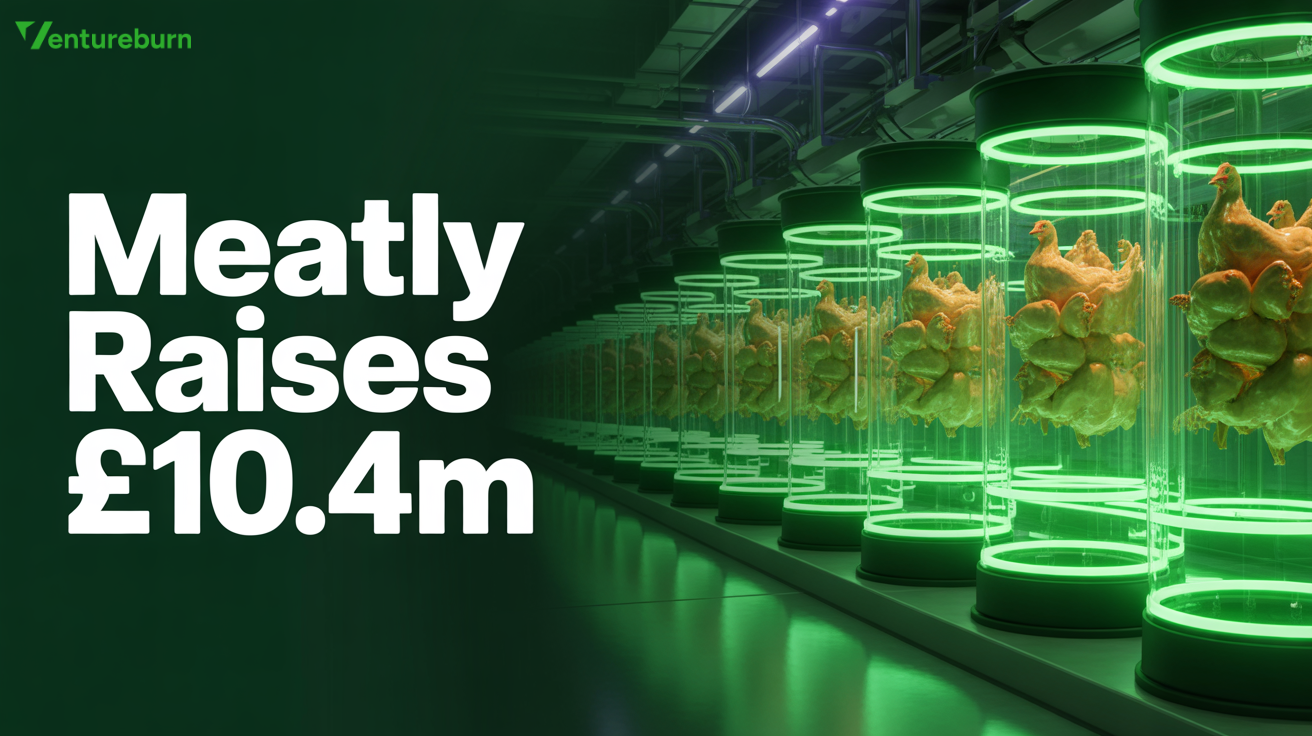
Meatly scales cultivated pet food production, combining scientific innovation with commercial execution to build a sustainable protein supply. Source: Created by Ventureburn
The company focuses on the pet food market. It has already supplied cultivated chicken to UK retailers. Early sales provide evidence of consumer interest. They also provide data for scaling future production. The company sees strong long term potential in the pet category.
Meatly’s strategy is based on early commercial traction. It selects markets that can adopt new protein systems quickly. Pet food has fewer regulatory barriers than human food. This makes it a practical entry point. It also allows consistent production without long approval cycles.
The new facility will strengthen long term supply capability. Meatly expects the site to run continuous production cycles. It also expects improved consistency across batches. The facility will support industry leading output levels.
Investors believe Meatly can scale further across Europe. They highlight the company’s combination of science and commercial execution. Some investors note the importance of rethinking protein systems. They also highlight the link between cultivated meat and climate progress.
The company’s vertical integration supports strong control of processes. It manages medium formulations. It manages equipment engineering. It manages production systems at scale. This improves cost stability over time.
More News: ROBOTERA Raises USD 200 Million To Scale Global Robotics Expansion
Market Position And Future Expansion Plans
Meatly positions itself as a leader in early commercialisation. It was Europe’s first company to sell cultivated meat. It continues to deliver progress in both technology and deployment. These capabilities strengthen its competitive position.
The cultivated meat sector has grown quickly. It has also faced challenges in scaling production. Many firms focus on research without commercial follow through. Meatly has taken a different path based on industrial execution. The new raise supports further expansion.
The company plans to scale production for Europe. It will also refine its technology during deployment. Each cycle provides more data for optimisation. This strengthens product quality with each release. It also builds the foundation for future human food products.
Meatly’s leadership believes commercial viability is achievable. They refer to internal advancements and cost reductions. They also refer to regulatory experience gained in the UK. These steps help build a strong base for future expansion.
The new facility will support long term cost reductions. It will also support more stable production planning. Consistent output is necessary for sustained market growth. Meatly aims to deliver reliable supply for the UK first. It will expand across Europe after a proven scale.
Meatly sees cultivated meat as a new protein category. It aims to make production cost competitive. It also aims to reduce environmental impact. The company states that cultivated meat can improve animal welfare. It can also reduce land and water use across supply chains.
The funding round reflects strong confidence among investors. They see potential in Meatly’s industrial approach. They also see potential in the growing demand for sustainable protein. Meatly’s strategy aligns with both consumer trends and environmental needs.
To stay updated on crypto venture capital funding and market trends, visit our venture capital news section for more insights.