Major Funding Boost Strengthens Upcycling Expansion Plans
Sedron Technologies has raised $500 million to scale its advanced upcycling systems across North America. The company plans to use the investment to expand its manufacturing capacity. It also intends to accelerate deployment of its technology across major municipal and agricultural operations. The funding marks the largest commitment to its waste-to-resource systems to date. It supports a wider push to advance sustainable waste processing solutions.
The company was formed as a spin-off from a long-established engineering group. It focused on building technology that reduces the energy demands of traditional waste systems. Its core system, known as Varcor, separates liquid waste streams into purified water, nutrient-rich fertiliser, and other valuable outputs. The process requires far less energy than standard treatment methods. It also reduces the volume of material that ends up in disposal facilities.
Varcor technology is used in municipal and agricultural settings today. Each sector has a distinct model. Both rely on the same core process. The system recovers water and nutrients while providing outputs that support energy production or organic farming. The company sees strong demand in both sectors due to rising interest in sustainable resource recovery. It plans to build more facilities over the next few years.
Municipal Biosolids Upcycling Drives Cleaner Waste Management
The municipal sector is a major focus for Sedron Technologies. Its Varcor systems process wastewater biosolids into purified water. The system also produces a concentrated fuel used to generate carbon-negative electricity. This process destroys hard-to-remove contaminants. It tackles chemicals that often escape conventional treatment systems.
Municipalities in the United States face rising costs in biosolids disposal. They also face pressure to reduce pollutants such as PFAS. Sedron Technologies aims to support these goals. It has announced its plans for a new biosolids upcycling facility in Florida. The facility will serve several towns across the region. Construction is expected to begin this spring. The site is expected to start operations in 2028.
The company’s treatment process offers two major benefits. It reduces the cost of handling biosolids. It also improves water recovery and pollutant destruction. Local governments view these benefits as critical to long-term environmental protection. The company says interest in municipal deployment continues to grow. It expects wider adoption across the country.
Agriculture Upcycling Brings New Revenue Streams to Dairy Producers


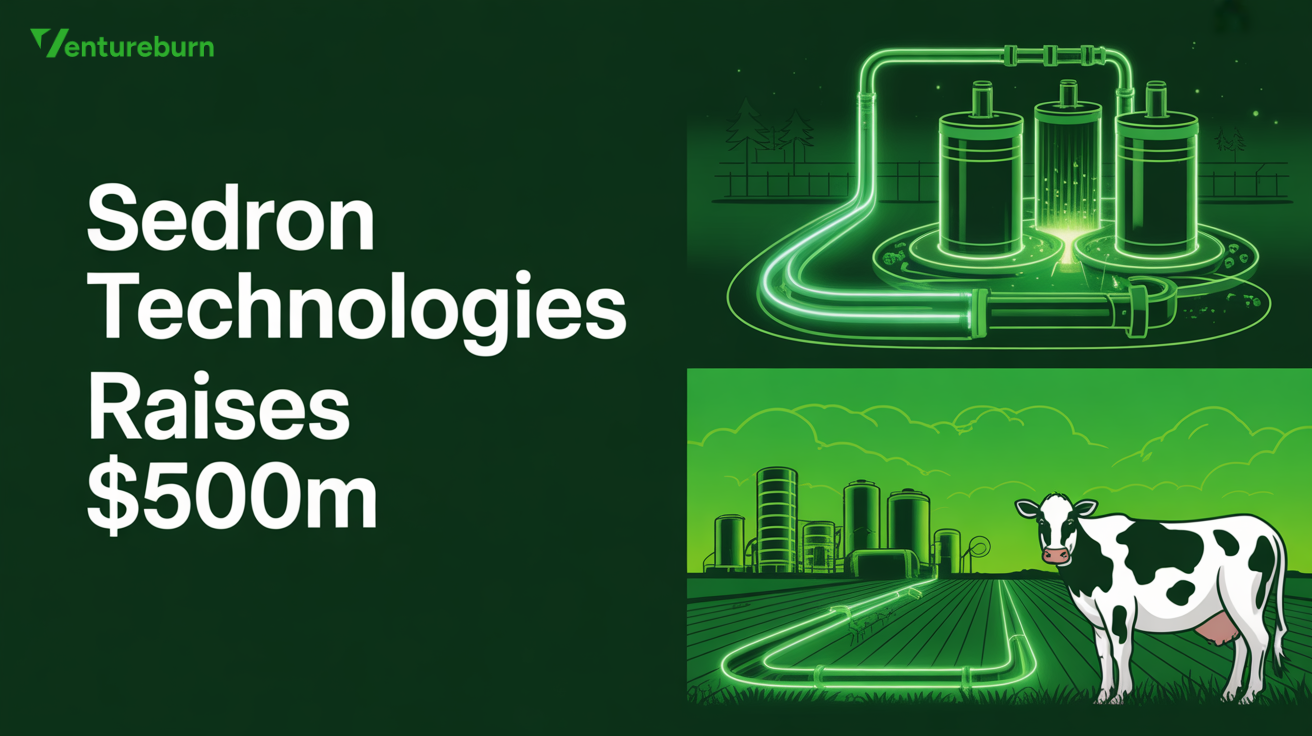
Sedron Technologies’ Varcor system transforms dairy waste into purified water and certified organic fertilisers, reducing emissions and supporting sustainable farming practices. Source: Created by Ventureburn
Sedron Technologies also focuses on agriculture. Its Varcor system converts dairy manure into purified water, dry organic fertiliser, and a liquid organic ammonium nitrate fertiliser. These products support organic farming practices. They reduce nutrient runoff. They also lower methane emissions from traditional manure systems.
The liquid fertiliser produced through the Varcor process is certified for organic use. It gives organic farms access to a nitrogen fertiliser that is hard to source. Many organic farms struggle to secure plant-available nitrogen inputs. Sedron Technologies aims to close this gap. The company says demand for the fertiliser is rising.
The company currently operates a large agricultural upcycling project in Indiana. It processes manure from a 20,000-cow operation. The project converts waste into tens of thousands of tonnes of fertiliser each year. Another site in Wisconsin is being commissioned. It will support a 10,000-cow dairy. Commercial operations will begin this summer. The company expects more agricultural projects to follow.
For dairy producers, the benefits are clear. The technology lowers manure handling costs. It cuts methane emissions. It prevents soil phosphorus buildup. It also provides new revenue streams through the sale of organic fertiliser. These improvements support environmental goals. They also support the financial resilience of dairy producers.
More News: SiFive Raises $400 Million to Advance RISC-V Data Centre Chips
Funding Supports Manufacturing Growth and New Deployment Sites
The new $500 million investment will strengthen Sedron Technologies’ manufacturing operations. The company plans to expand production capacity. It also plans to accelerate deployment of new Varcor systems across North America. It aims to shorten project timelines and scale faster. The funding will support construction, engineering, and on-site deployment teams.
The company expects demand to increase over the next decade. Municipalities seek better ways to manage biosolids. Dairy farms seek alternatives to traditional manure systems. Both rely on resource-intensive processes. Sedron Technologies claims its systems reduce energy use significantly. The company sees these benefits as a key driver for long-term adoption.
Investors say the funding will help push the Varcor technology into more markets. They expect more projects to come online across the United States. They also expect stronger interest from international markets. The company has indicated plans to explore opportunities outside North America in the future.
A credible overview of sustainable waste-to-resource systems can be found here:
U.S. Environmental Protection Agency – Sustainable Resource Management.
The company says it remains focused on building systems that reduce waste and recover valuable resources. It plans to expand both its municipal and agricultural businesses. It also plans to push for broader adoption of low-energy waste processing systems. The funding is expected to support these goals over several years.
To stay updated on crypto venture capital funding and market trends, visit our venture capital news section for more insights.