Major Backing Fuels Ocean Energy Expansion
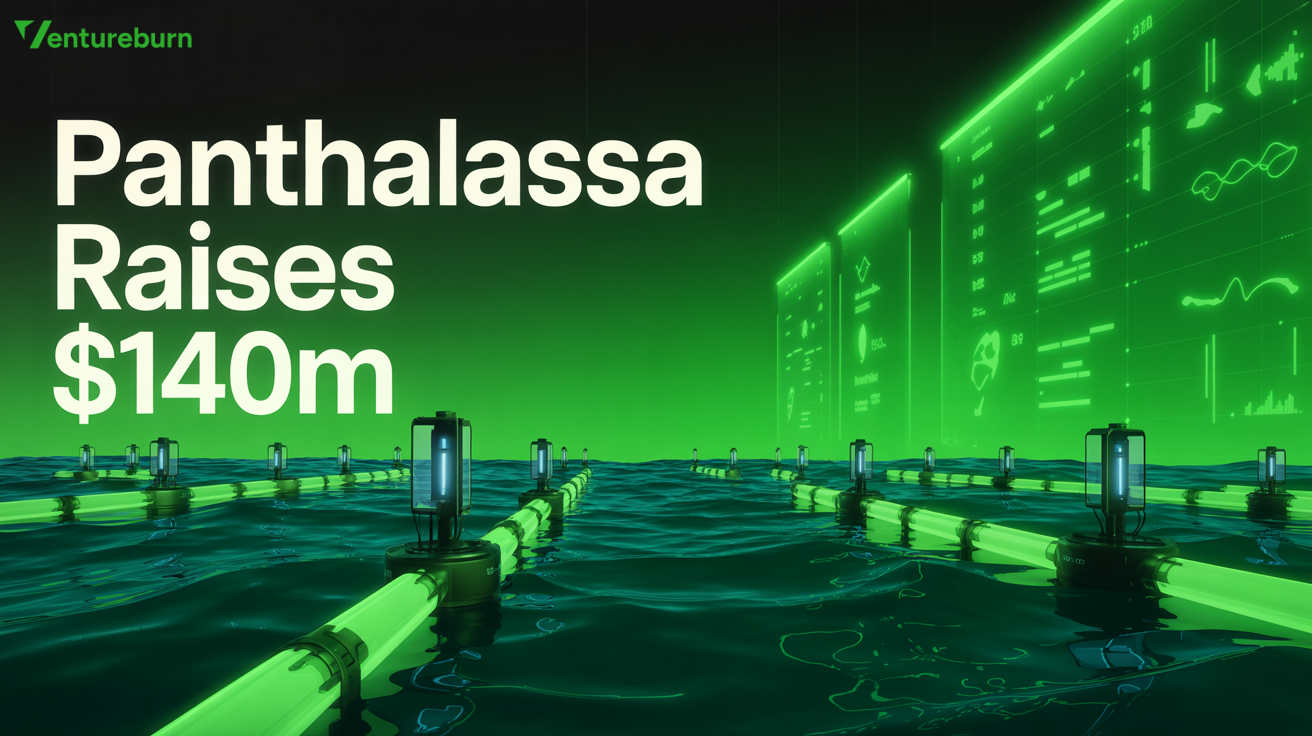
Panthalassa has raised $140 million in Series B funding. Peter Thiel led the round. It attracted a wide group of global investors. These include John Doerr, TIME Ventures, SciFi Ventures, Susquehanna Sustainable Investments, and Hanwha Group. Strategic industrial and climate-focused funds also joined.
Returning investors supported the round as well. These include Founders Fund, Gigascale Capital, Lowercarbon Capital, Unless, and WovenEarth. The company says this backing reflects rising demand for new energy systems. It also reflects growing interest in distributed computing infrastructure. The funding will complete a pilot manufacturing facility near Portland, Oregon.
It will also accelerate deployment of the Ocean-3 node series. These systems are designed to operate far offshore. They generate power directly from ocean waves. The company says this model avoids land-based infrastructure constraints. It also reduces pressure on national power grids. Panthalassa plans to scale production over the next phase of growth.
Ocean-3 Nodes Power Offshore AI Computing
Panthalassa builds autonomous floating energy systems called nodes. These systems operate in deep ocean regions. They generate electricity continuously using wave motion. The energy is used directly on board the vessel. Instead of sending electricity back to shore, the system runs AI chips locally.
It sends results to land through satellite networks. This approach avoids traditional grid transmission challenges. It also removes the need for large onshore data centres. The surrounding ocean provides natural cooling. This eliminates major thermal management issues. It also extends hardware lifespan.
The company says this improves efficiency and reduces infrastructure cost. The platform supports AI inference workloads at sea. These workloads require constant power and cooling. Ocean-based systems offer both at scale. The company sees this as a new computing frontier.
Wave energy technology is gaining attention globally. explains how ocean motion can be converted into usable electricity. Panthalassa builds on this concept with integrated computing systems.
Manufacturing Push And Deployment Timeline


Panthalassa scales ocean-based energy and AI infrastructure, moving from pilot manufacturing to global offshore deployment. Source: Created by Ventureburn
The company will use funding to complete its pilot production facility. It is located near Portland, Oregon. The site will manufacture large-scale steel-based ocean nodes. These units are designed for mass production in coastal factories.
Panthalassa has spent nearly a decade developing core systems. These include propulsion, autonomy, and energy generation. It has also built at-sea computing infrastructure. Prototype systems validated these capabilities in real ocean conditions.
Earlier models, including Ocean-1 and Ocean-2, were deployed in testing phases. Wavehopper systems were also tested across 2021 and 2024. These trials confirmed stable offshore performance. They also informed design improvements for future systems.
The company plans to deploy Ocean-3 units in 2026. The first pilot deployment will take place in the northern Pacific Ocean. These units will test AI inference at scale. They will also refine manufacturing processes ahead of commercial rollout.
Commercial deployment is planned for 2027. Panthalassa aims to scale fleets of ocean nodes. Each unit is expected to operate independently for long durations. The company says this approach enables global expansion without land constraints.
More News: THL Partners Raises $6.35 Billion To Advance Middle-Market Investment Strategy
Energy Demand And Investor Conviction Grow
Global demand for electricity and computing power continues to rise. Data centres are under increasing pressure. Grid capacity limits are becoming more visible. Water usage for cooling is also a growing concern.
Supply chain delays are affecting infrastructure expansion. Permitting timelines also slow new projects. These challenges increase costs for operators. They also limit how quickly capacity can grow on land.
Panthalassa argues its system bypasses these constraints. Ocean-based nodes do not require traditional grid access. They also reduce dependence on terrestrial cooling systems. The company says this improves scalability. Investors see long-term opportunity in the model.
Peter Thiel said ocean-based infrastructure expands computing frontiers. He highlighted its potential beyond traditional land systems. Doerr described the platform as a breakthrough in clean energy. He said it benefits workers and communities. He also said it strengthens technological leadership in energy systems.
The company believes demand for AI compute will continue to accelerate. It expects infrastructure bottlenecks to intensify. Ocean-based systems are positioned as an alternative approach.
Panthalassa operates as a public benefit corporation. It focuses on sustainable energy development. Its goal is to unlock ocean energy at scale. It combines renewable power with distributed AI computing.
The company believes this combination defines a new infrastructure category. It aims to build fleets of autonomous ocean systems. These systems will generate energy and compute simultaneously.
To stay updated on crypto venture capital funding and market trends, visit our venture capital news section for more insights.