Rapid Funding Boosts Growth
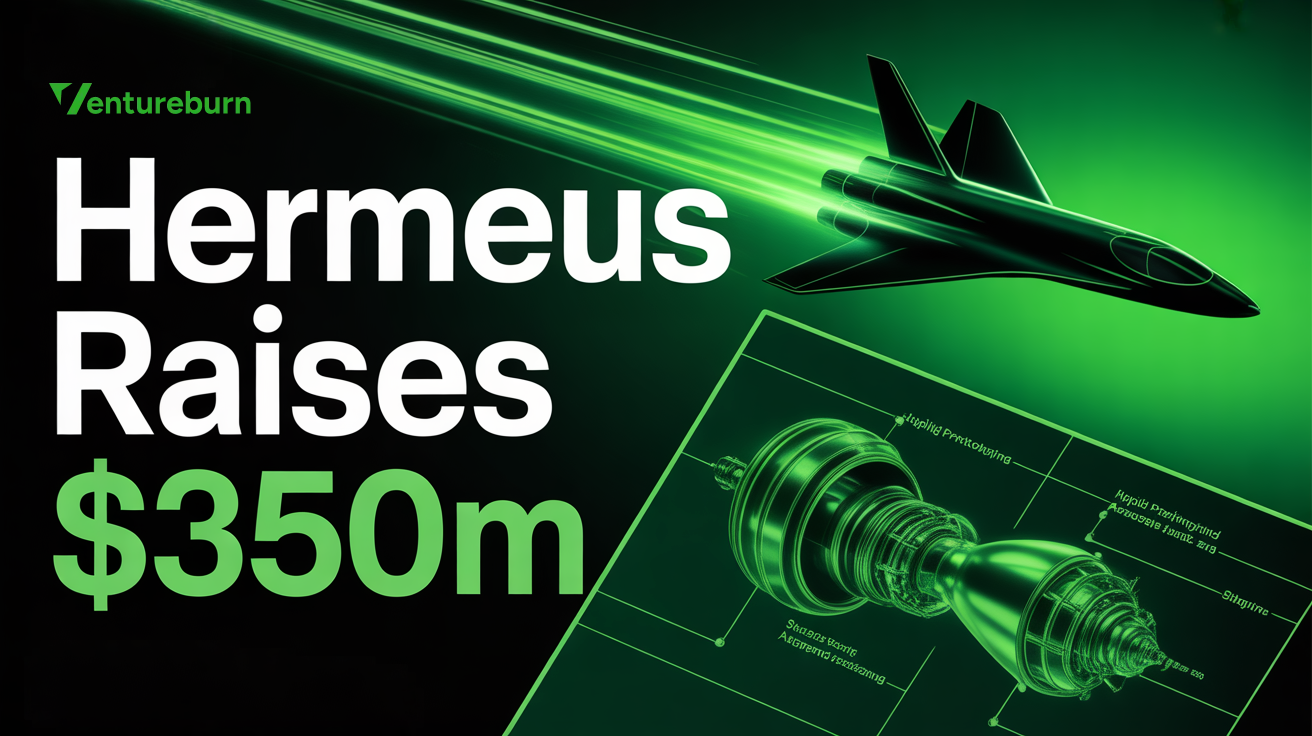
Hermeus, a defense aviation startup out of Los Angeles, just pulled in $350 million in Series C funding. That bumps their valuation up to $1 billion. AJ Piplica, the founder and CEO, is at the helm. The company’s all about speeding up the process from designing to deploying hardware — they lean into building things first, not just talking about them.
The new round breaks down into $200 million in equity and $150 million in debt. Khosla Ventures led the pack, but a lot of big names joined in: Canaan Partners, Founders Fund, RTX Ventures, In-Q-Tel, Bling Capital, Cox Enterprises (through Socium Ventures), Destiny Tech100, Georgia Tech Foundation, 137 Ventures, GSBackers, and some others.
Piplica explained that the debt portion helps Hermeus maintain control while expanding operations. “We build a lot of hardware and we’re expanding our manufacturing capabilities. Financing a large portion non-dilutively is the right approach,” he said.
The investment marks a surge in venture capital for defence startups. PitchBook data shows global VC investment in defence technology exceeded $9 billion across 265 rounds last year. Corporate investors contributed $2 billion in 28 rounds, highlighting growing interest in rapid aircraft development.
Hardware-First Approach
Hermeus adopts a hardware-first approach to accelerate innovation. This strategy allows the company to test high-Mach aircraft under real-world conditions. The approach reduces design cycles and enables faster iteration.
A few years ago, Hermeus developed its own engine, partly out of necessity. The team later partnered with RTX subsidiary Pratt & Whitney to modify the F100 engine for its hypersonic aircraft.
“This decision accelerates us to Mach 5 and supports the Department of Defense’s near-term requirements,” said President Zach Shore. “It also reinforces the business, customer, and technology simultaneously.” Hermeus’ demonstrator aircraft, the size of an F-16, recently completed its first supersonic flight. The company plans to develop a third iteration that will achieve full hypersonic speeds.
Expanding Team and Capabilities
The new funding will let Hermeus grow its team, which is getting close to 300 people. Skilled engineers are hard to find, especially in aviation, and rapid prototyping doesn’t work without that kind of talent. Most companies don’t roll out full-scale aircraft every year anymore, and that makes it tough to find experienced people. “We need to develop talent in-house,” Piplica said.
Hermeus takes a hardware-first approach—build, test, and learn as fast as possible. Piplica likened this method to what SpaceX does, highlighting the value of trying things quickly and not shying away from taking smart risks, even if it means some failures along the way. “We are prepared for failures in development. They are part of the process,” he said.
Hermeus has already flown two successful test aircraft. Each prototype provides data to improve design and operational efficiency. “Building more aircraft shortens development time. Otherwise, progress is slow and incremental,” Piplica explained.
Strategic Investors and Partnerships


Hermeus leverages Series C funding and strategic partners to accelerate hypersonic aircraft development, combining financial backing with industry expertise. Source: Created by Ventureburn.
Hermeus just finished its Series C round, pulling in both new and familiar investors. Khosla Ventures led the charge on the equity front, while big players like RTX Ventures and Cox Enterprises jumped on board, too. This mix doesn’t just give Hermeus more cash—it opens up doors across the industry.
In-Q-Tel, the venture arm for the US intelligence community, is involved now. That means the government’s definitely interested in hypersonic tech. With investors rooted in aerospace, defense, and startups, Hermeus isn’t just getting money—they’re getting advice and hands-on expertise.
Piplica says working with established aerospace companies is huge for them. It speeds up engine integration and testing, and sticking with proven technology makes things less risky. That way, Hermeus can get their aircraft ready faster.
Honestly, Hermeus is riding the wave of defense startups that push rapid prototyping and team up with smart partners to move quickly. Investors are looking for companies that can deliver real-world results, fast.
With funds coming from both equity and debt, Hermeus has a lot more room to grow. They can ramp up manufacturing, hire more people, and keep R&D humming. The funding also helps pay for government contracts and the regulatory hoops they need to jump through to test their high-speed planes.
More News: E2 Raises $80M to Advance Pulmonary Embolism Treatment
Building Hypersonic Capacity
Hermeus is focused on delivering practical hypersonic solutions. The company aims to maintain speed without sacrificing safety or efficiency. Each flight test provides critical data to improve aircraft performance and reliability.
The startup plans to continue iterative testing to meet defence requirements. Piplica stressed that rapid iteration is necessary to develop operationally ready aircraft quickly. “We must pick the right risks and apply capital wisely. Failure is part of the learning process,” he said.
By combining hardware-first execution, experienced partners, and strategic funding, Hermeus is positioned to be a leading hypersonic technology provider. Investors and government agencies are closely watching the company’s progress.
Hermeus’ $350 million raise exemplifies how venture capital can accelerate defence innovation. The company is now set to expand its workforce, scale manufacturing, and refine hypersonic aircraft for operational use.
To stay updated on crypto venture capital funding and market trends, visit our venture capital news section for more insights.