Havoc Secures Major Series A To Scale Autonomous Capability
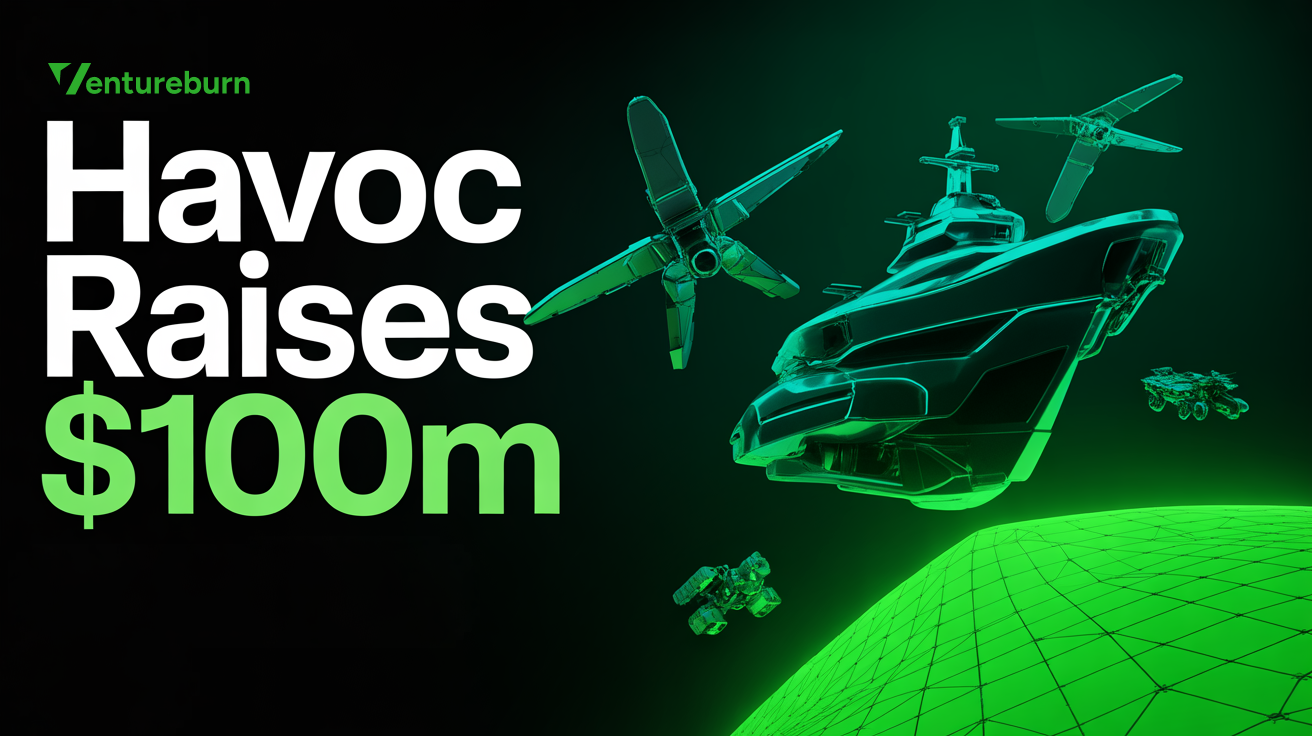
Havoc has raised $100 million in new Series A funding. The round increases its total capital to nearly $200 million in under two and a half years. The company builds collaborative autonomy systems for defence operations across air, sea, and land. The funding round included new investors across capital markets and venture firms.
Some of Havoc’s existing backers decided to double down and invest even more. That says a lot about the demand for unified autonomous systems, especially as defense needs keep changing.
Havoc is pretty clear on its vision: the future of national security depends on autonomous systems that can actually work together in the real world—not just in perfect, controlled settings. Their autonomy stack already runs on over 100 platforms, tackling real-life challenges instead of just passing simulations.
That’s how they’re giving defense teams the edge in tough, unpredictable conditions. They’ve logged more than 20,000 hours of testing—all over the map, even in places where GPS just doesn’t work. That kind of field testing really proves their systems can handle large-scale operations.
With their new funding, they’re looking to roll out their tech across all domains, not just where they’ve started. So far, they’ve delivered over 30 autonomous vessels for defense missions. These aren’t just sitting around—they’re out there removing mines, doing surveillance, and taking on other tricky maritime jobs.
Building A Unified Multidomain Autonomy Platform
Havoc builds a software-defined hardware model that allows one operator to manage large fleets. The system can supervise thousands of autonomous assets at once. This reduces strain on operators and improves mission output.
The autonomy stack fuses sensing, planning, and control at the edge. It enables autonomous navigation and rapid decision-making even when communication is limited. This design supports missions in remote or contested areas.
Havoc has expanded into air and land systems through strategic acquisitions. These moves aim to unify operations under one architecture. The company uses partnerships with defence manufacturers to scale production.
Its collaborations with shipbuilders and additive manufacturing partners help reduce production time. The team has grown to more than 200 employees. New offices in Austin and San Diego strengthen its engineering and deployment capacity.
This supports the company’s push into broader commercial and defence markets. Its work has also been recognised by innovation programmes. Havoc has won awards for operational autonomy and has been named among leading defence technology innovators.
Strengthening Defence Operations Through Scalable Autonomy


Autonomous maritime defence systems are enabling scalable, software-driven operations that improve mission coordination, reduce costs, and enhance real-time responsiveness across complex naval environments. Source: Created by Ventureburn.
Havoc develops software for autonomous maritime vessels. The approach helps reduce cost compared to traditional manufacturing. Its 14-foot Rampage vessel can be operated through a laptop interface. This lowers training requirements and improves deployment speed.
The company outperformed several larger competitors in defence innovation tests. Its systems provide real-time coordination across assets in contested environments. The Series A funding will support wider deployment of these systems.
Havoc focuses on mission performance using autonomous fleets that share information. The system allows assets to self-organise in complex scenarios. This improves mission efficiency and reduces operational risk.
Investors believe Havoc has built a scalable platform. They expect demand from defence forces to grow as autonomous systems become more critical. The technology reduces reliance on traditional hardware models. It shifts focus toward responsive, software-driven defence capability.
More News: Telekom Srbija Raises €1.95 Billion To Strengthen Capital Structure And 5G Growth
Demand For Affordable Mass And Fast Deployment
Havoc’s model centres on affordable mass. It works with commercial manufacturers that have available production capacity. This means fleets can be produced quickly to meet urgent requirements.
This approach gives defence teams access to scalable systems without long procurement cycles. It also ensures autonomous fleets can grow to match mission size. Havoc plans to increase output to thousands of vessels by 2026.
The company believes a single operator should be able to command an entire fleet. Its mission-focused interface supports this goal. Operators can task, monitor, and adjust missions in real time.
Havoc sees the new funding as a step toward scaling its all-domain platform. The company plans to accelerate deployment across defence customers globally. It believes its autonomy model will help redefine how defence teams operate.
To stay updated on crypto venture capital funding and market trends, visit our venture capital news section for more insights.